
From the Rector
Dear Friends in Christ,
I have been thinking about the three parishes I have served.
Each shaped me in different ways and each has a distinctiveness that is expressed even, and perhaps especially, in its architecture. All of them have been beautiful in their own ways.
That beauty, though, was an expression of something more. It isn’t just that the places are pretty or aesthetically pleasing. It’s that they say something about the community and about God that feels true.
They are places that feel like they are at prayer even when no one is in them.
Episcopal church architecture holds a powerful place in the spiritual and communal life of its congregants. More than just functional buildings for worship, these spaces are deeply symbolic environments where theology, nature, and community intersect.
Good architecture not only shapes the way a community gathers, prays, and relates to the divine. It also reflects the particular values, history, and landscape of the people who inhabit it.
This relationship between architecture and community reveals the church’s vision of God as both transcendent and immanent—present in the Sacraments, the gathered people, and in the created world.
At its best, good church architecture shapes community by creating space that fosters connection, reverence, and contemplation.
The layout of the church—whether cruciform or more open—often emphasizes liturgical flow, drawing worshippers into a shared rhythm of Word and Sacrament. Architectural elements such as a high ceiling, stained glass, or natural materials guide the senses toward awe and wonder, anchoring the congregation in a space that lifts the heart to God while grounding it in community.
These physical choices are not arbitrary; they are theological expressions. They are designed to say something true. A well-designed church encourages parishioners to look both inward and outward—toward God, toward each other, and toward the world.
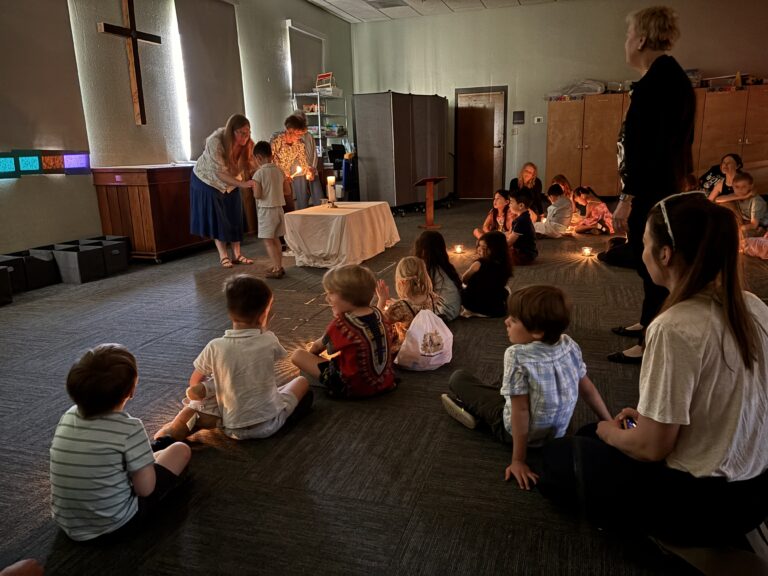
Yet, good church architecture does more than influence; it also listens. It reflects the character and history of the community that built it. Whether urban or rural, historic or modern, an Episcopal church building speaks volumes about the people who gather there.
A stone Gothic revival parish in a northeastern city tells a different story than a wooden, open-air chapel nestled in a southern forest. Each reflects not only aesthetic preferences but also the congregation’s understanding of its role in the larger body of Christ and in its particular geographic and cultural setting. Architecture becomes a form of memory, holding the prayers, baptisms, funerals, and the Communion of generations.
In this way, the building itself becomes a living participant in the life of the church.
This dialogue between architecture and community is an expression of the Episcopal Church’s sacramental worldview—a vision of God’s grace as revealed through material things. This includes not only bread and wine but also stone, glass, wood, and light. Episcopal churches often embody a deep respect for creation, using natural materials or designing with the environment in mind.
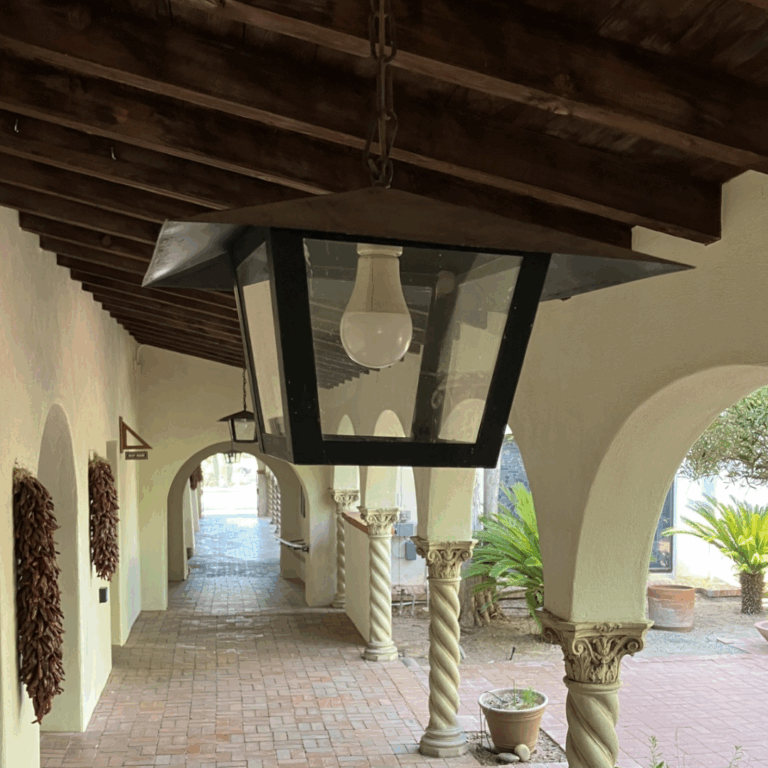
Many parishes work hard to integrate nature directly into the sacred space—open-air chapels, outdoor Stations of the Cross, or windows that frame the changing seasons (like our own). They incorporate gardens, courtyards, or spaces for quiet reflection, providing a haven for both people and the natural world. In doing so, church architecture acknowledges the created order as an essential partner in worship, not merely a backdrop.
This emphasis on nature and place also reflects our commitment to incarnational theology. The Word became flesh and dwelt among us—not in abstraction, but in the physical reality of the world.
A well-conceived church building echoes this truth by being rooted in its context, welcoming the particularities of place, weather, landscape, and culture. In this sense, church architecture becomes an act of hospitality, not only to people but to the environment itself.
It is a testament to the belief that God meets us where we are—not only spiritually, but physically—in the very materials and geography of our lives.
Church architecture is not merely the backdrop to the life of faith; it is a participant in that life. It shapes how we encounter each other and God. It reflects who we are, where we live, and what we believe. When it is done well—with theological depth, aesthetic care, and community insight—it becomes a sacred threshold, a place where heaven and earth meet, and where both people and place are continually transformed.
Even more importantly, it shapes a people who also become that meeting place themselves. They become people in whom you can sense heaven and earth meeting. I think that’s often what saints are: people in whom we see heaven and earth meeting.
I cherish each of the parishes I have served and am grateful for the innumerable truths they have taught me both in moments of chaos and in moments of peace. It’s a gift to serve and worship in such spaces with such communities and I hope we never take that gift for granted.
Yours in Christ,
—Fr Robert