
From the Interim Rector
Dear Friends in Christ,
Parts of the Magnificat—Mary’s song upon hearing the news of her pregnancy and what she is pregnant with—have rattled authoritarian governments over the years.
It was banned in Argentina during the 1970’s-80’s military dictatorship, where it was considered too revolutionary and dangerous because of its message about bringing down the powerful and lifting up the lowly.
Similar concerns led to its restriction in Guatemala during periods of military rule, and it was reportedly viewed with suspicion in some other Latin American Countries under authoritarian regimes.
In British-ruled India during the colonial period, there were also concerns about its revolutionary implications. The themes of overturning power structures and God’s preferential option for the poor made it threatening to oppressive governments throughout history.
One can easily see how an authoritarian could get a bit queasy upon hearing “He has brought down the powerful from their thrones…” and “sent the rich away empty.”
Does God literally send the rich away empty?
Does God have it in for the rich?
Are they on God’s “enemies list?” Of course not.
God has given humans vast freedom.
God does not force Godself upon anyone.
God respects the radical freedom given each mortal.
It is humans who are allowed to reject God if they so choose.
Jesus is not hopeful about the majority of rich folks getting the gist of what he was about. The so called story of the “rich young ruler,” who went away sorrowfully because he had so much is a tragedy. Implied is the fierce attachment he had to his wealth. It was as if he was already a goner, so immersed he was with his wealth.
Then there is the story of the rich man whose homeless neighbor was parked right outside his mansion. The rich man never truly saw the homeless man because his attachment to wealth blinded him.
God has created radical freedom whereby people freely choose what they do with their lives and fortunes. From this perspective, he “brings down the powerful from their thrones” by giving the freedom where, seemingly, some of the rich entrap themselves and then send themselves away empty.
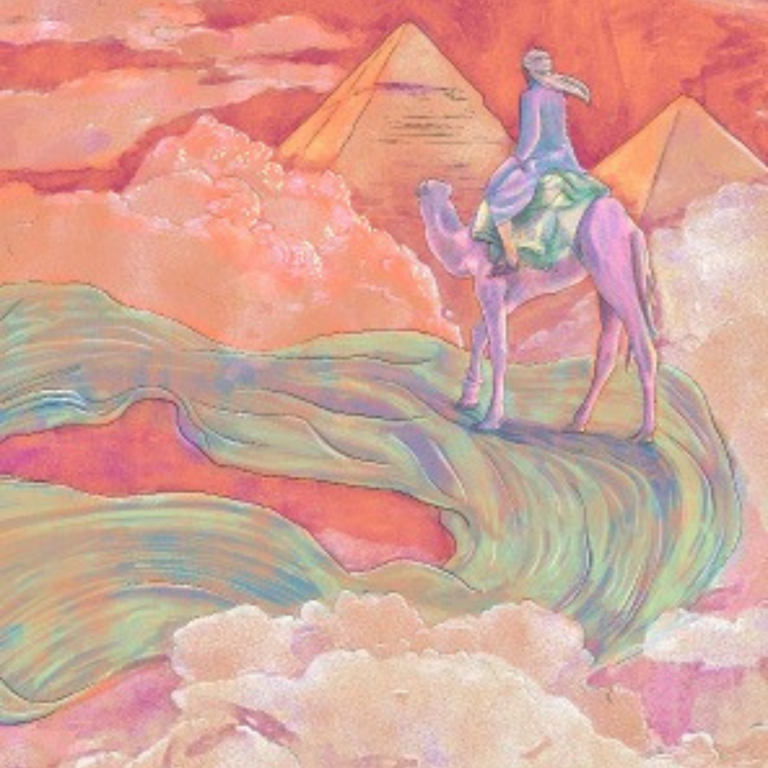
A life totally focused on self becomes an empty life. That was the life of Scrooge in Dickens’ Christmas Carol before his awakening and conversion. It is harder for a camel to go through the eye of a needle than for a rich man to figure out how the way of Christ gives life.
The Magnificat weaves the spiritual with the political and economic concerns all together in gripping poetry.
Your fellow traveler,
—Richard