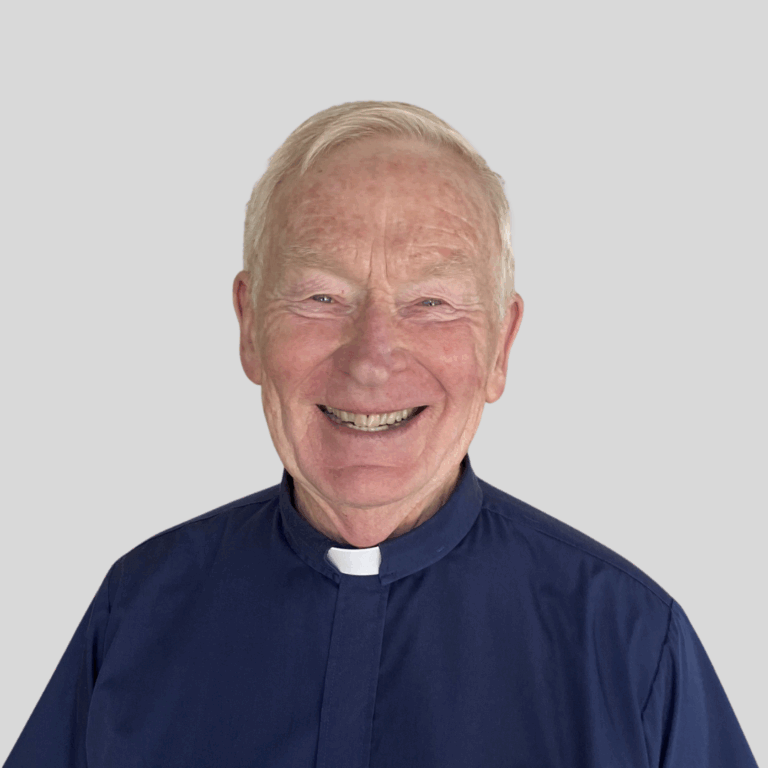

From the Interim Rector
Dear friends in Christ,
I had the pleasure of attending the Sunday morning group of parents whose children attend Sunday School at Saint Philip’s. I also had a tour of those classes and saw firsthand the devoted teachers in action.
I saw engaged children and young people.
I saw groups of various-aged people enjoying the company of one another as gracious Kate Appel, coordinator of children, youth, and family ministries, gave me this grand tour.
I spent most of the time in the camaraderie of the adults. They are, of course, committed to providing the best for their children.
Then, on Monday, I glanced at an article on how to talk to children about violence or disturbing events they hear about in the news. I went back for a gaze.
The article emphasized having an age-appropriate conversation with the child or young person. The adult’s task is to lean into the underlying concern through empathic listening and drawing out. Simple language such as “Sad things happen in life” and “People can make really big mistakes in the way they treat themselves or others.”
The opportunity at this juncture is to introduce prayer. Show the child how to pray with direct and easy language. When Jesus asks us to pray for our enemies, he is asking us to pray for what seems to be the impossible and intractable. Even though the counsel seems non-rational, he asks us to enter that space nonetheless.
What the child raises in her concerns may not yield to an easy answer.
“Why are there homeless people?”
“How do they stay warm at night?”
“Why is there war?”
“Why do people say things that hurt feelings?”
These questions need tending, and they humble us if we allow it. We are often left speechless.
Of course, the child is not asking for policy solutions. Maybe the child wants to know that you, too, are affected and care. The child wants a heart connection with a loving adult.
Together, ask God for help. Ask the child if they want to go first. If not, then you lead the way.
The gift to parents, grandparents, and adult friends is that you, too, get to enter “child” space. Speak “child” language to the very young and age-appropriate language to the older ones. You begin to teach and model the life of prayer that is integrated into the entirety of life, and you allow yourself to be led by “a little child.”
This is the season for the archetype of the child. Some traditions call this “beginner mind.” How freeing not to have to have all the answers. When children ask hard questions, they want to know if you also care about them and then if you care about their questions.
How challenging in the midst of adult responsibilities and concerns! Life invites us older ones to stay mindful of seizing the moment when a young one comes to us in vulnerability of a worry. Staying awake for such moments helps us respond in kind and thereby enter sacred space with a little one.
Your fellow traveler,
—Richard