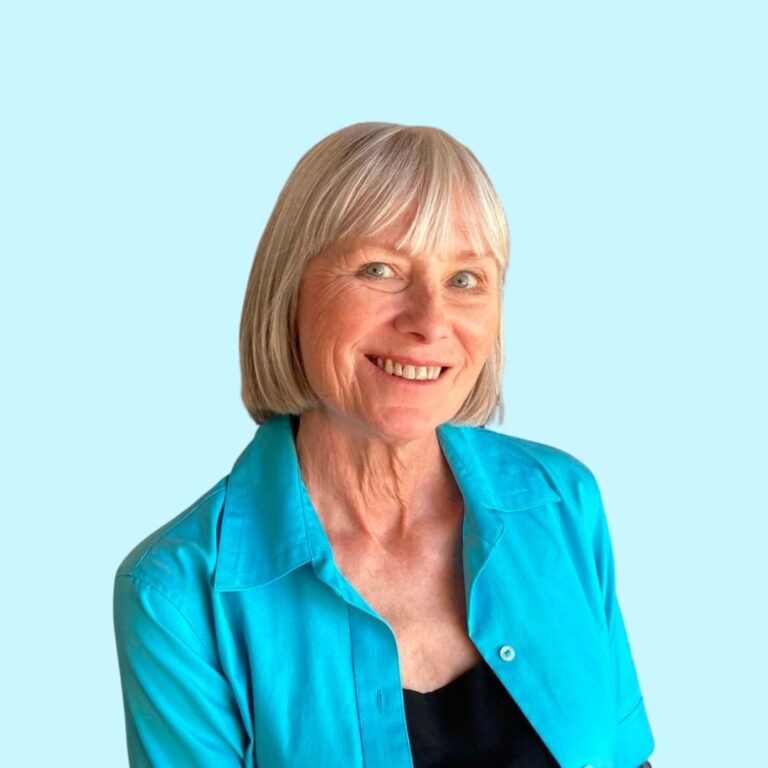
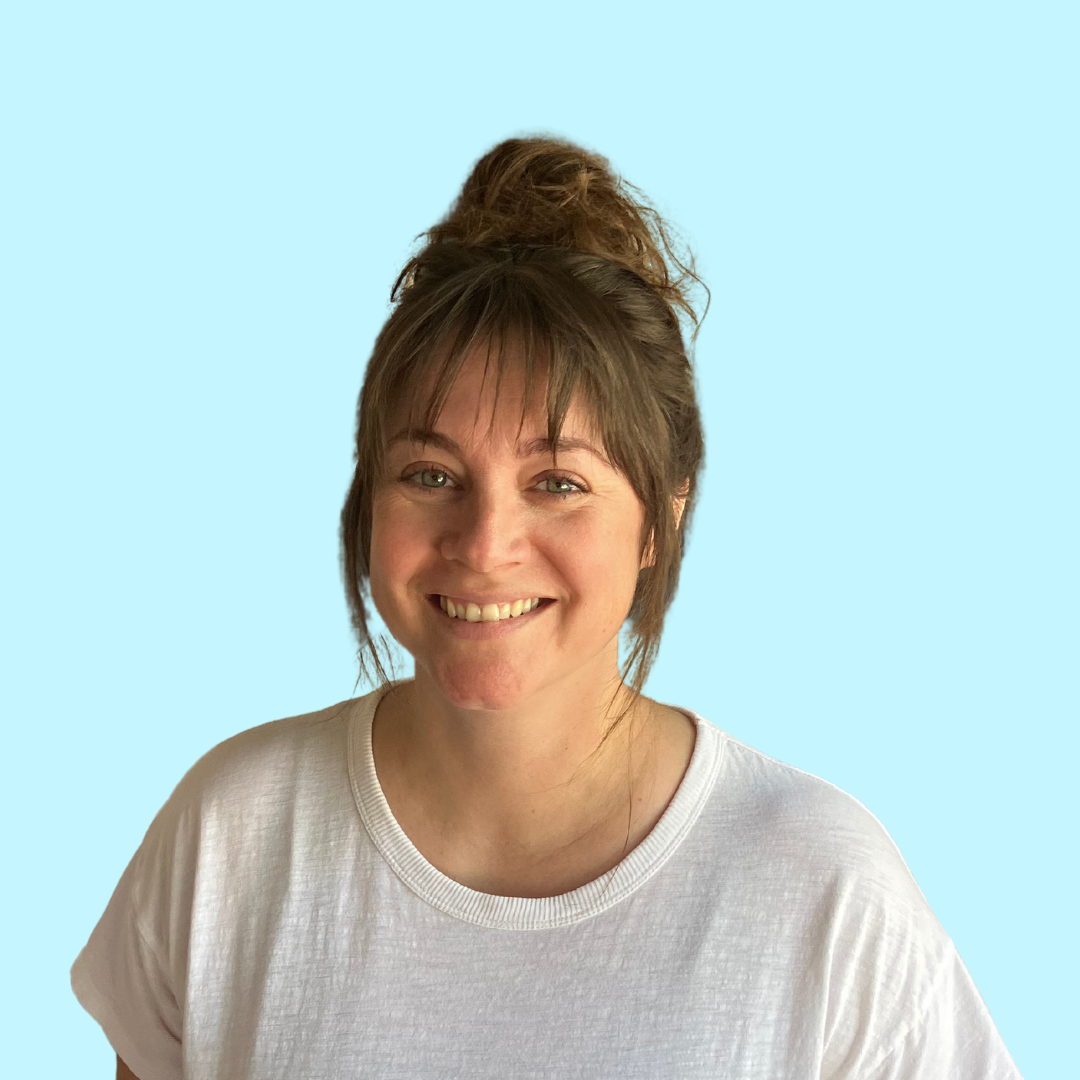
Ani Weinman
How long have you worshiped at Saint Philip’s?
About two years now.
Were you raised in a faith tradition?
I grew up an evangelical, non-denominational Baptist.
What was that experience like?
Lots of adjectives come to mind: frustrating, enraging, isolating, misogynistic.
My background is in Young Life which focuses on young people in middle school, high school, and college. Much of my time with them was spent preaching or leading—but the church didn’t believe in me doing that and, consequently, didn’t support my efforts.
Who I was and what I believe was viewed with suspicion or derided outright. It reached a point where I was always angry when I left church.
What do you believe that was so threatening?
I’m a big believer in biblical feminism. It took me a while to discover all the scriptural backing for that position, but while I was working that out, I wasn’t afraid to talk about it—even in a church that doesn’t believe in biblical feminism. In fact, it considers “feminism” a bad word.
My questions and wrestling weren’t welcome so, consequently, I didn’t feel welcome either.
How did you find your way to Saint Philip’s?
My husband, Pete, our daughter, Lorelai, and I were introduced to Mtr Taylor by mutual friends years ago. One day I asked to sit down and speak with her about my faith journey.
We had a very spirit-led conversation. Mtr Taylor demonstrated a grace and understanding that I always expected clergy to have but hadn’t experienced until then. And to learn that she, as a woman, is respected by her church was a wonderful and fascinating experience. I walked away from our conversation thinking, “I want to go to Saint Philip’s.”
What about Saint Philip’s speaks to you?
Several things—not the least of which is that I don’t leave church angry. We come to church happy and we leave happy. We don’t have to suffer through the service.
I also love that there is such a vibrant CYFM community. The parents’ formation group is filled with people who are very welcoming. I can show up as my full self and be included.
What do you do professionally?
I’m a minister-at-large and have a ministry called Dropping Keys. My work is about inviting people into conversation. I write, speak, mentor, hold events, and connect people.
For example, this coming Sunday, I’ll facilitate the forum conversation, Love & Politics, in the Bloom Music Center (at the north end of campus). It’s about Gospel politics and navigating political difference in Christian community. I think the topic is especially important during our current election cycle.
What do you do to relax/replenish yourself?
So much of my ministry is relational that I recharge by being alone—either in the kitchen or on walks. When it’s not 100 degrees outside, I love to walk with our Great Dane, Winnie. She’s three, perfect, and one of my best friends.
What’s something you’re proud of?
Not letting outside voices dissuade me from listening to my gut—which, in turn, helps me continue to discover new pieces of myself. It’s been a true gift to continue to learn about myself.
What’s something you’re passionate about?
I get super jazzed and excited to watch women live out—in little and big ways—who God says they are. It’s been a long, hard road for me to understand myself so when I get to walk alongside other courageous women and watch them go through the process of shattering imposed limitations, I believe I’m witnessing the holy.
What’s one of your core values?
Don’t deny who I am; we are all invited to express our uniqueness. When I don’t live in a way that God created me to be then I am going against what God created.
It’s not always easy to discern the difference between God’s creation and my ego but I think it’s worth the work—and tears.
What’s one of your guiding principles?
Mission and love are my two guiding principles.
I have a Masters Degree in Missional Theology and it teaches that God made a perfect world but humans have broken it. God’s mission is to put the world back together—and people are invited to work with God to make that happen.
And to love is the overarching mission. God’s mission is restoration with love, and that serves as my guidepost. I try to view the world through the lens of love—what is the loving thing to do in this situation? What might bring restoration?
It highlights the difference between the letter of the law and the spirit of the law. If love is in front of us, then we can move through the world differently. Love is our daughter Lorelai’s nickname.
Do you have a favorite prayer?
Every day Pete and I pray for Lorelai. We thank God that she is happy, healthy, and safe. I ask God to make her brave and wild and free and humble and strong and wise. We end with the words, “May God bless her and keep her and shine God’s face upon her and be gracious with her and walk with her all the days of her life.”
What’s something you’re grateful for?
So many things, but I’ll highlight our daughter, Lorelai. She’s an IVF baby. Before Lorelai was born I had multiple miscarriages, including twins who we lost at six months. On what would have been their first birthday is when I found out I was pregnant with Lorelai.
What sustained you through that period?
A lot of willful and ferocious trust.
The church we belonged to taught that having children was what makes women faithful and obedient. So when I miscarried, the message I got from the church was that it was my fault—that I had unconfessed sin in my life.
I wrestled a lot with that. I thought, “I’m asking God for a good thing but it’s not happening. Did I do something wrong for which I’m being punished? Do I want a child too much? Do I not want a child enough?
How did you navigate those questions?
With the help of a wonderful mentor who has helped shape my life for the past 17 years.
At one point she gave me a collection of writings from François Fénelon, a 16th century French Catholic archbishop, theologian, poet, and writer. They were short daily devotionals (which I’ve recently begun reading again for the 12th time).
What I learned from reading them at that time was that life isn’t about me; I’m not the main character in this story. It’s about God and God’s story. That helped me understand that I can’t be petulant and want my will to be done. I have to be grounded in God and believe that my feelings of grief, anger, and sadness don’t lessen my faith; God continues to be God regardless of my reaction to things.
I sat in that space for quite awhile until I could handle talking about the miscarriage and let it be part of my story—and let the twins be part of our lives. We celebrate their birthdays and have little things around the house that remind us of them.
That experience showed me how strong women are. I’ve also learned how common miscarriage is and how valuable it is to create a space to talk about it.
What’s one of your super powers?
I’m not afraid to speak my truth—or raise my hand and say something needs to change.
What might people be surprised to learn about you?
Even though writing is a very large part of what I do, it’s also one of the hardest things I’ve ever done. (I’m a horrible speller!) The imposter syndrome is alive and well in me; her name is Jessica.
What have I not asked that you would like people to know?
I want everyone to know that I am so very happy to be here—in a church space where I can be confident that no one is whispering about how terrible I am for believing what I do. Saint Philip’s feels safe, welcoming, and non-judgmental.
What’s a fun fact about you?
I’m really good at putting together Ikea furniture.