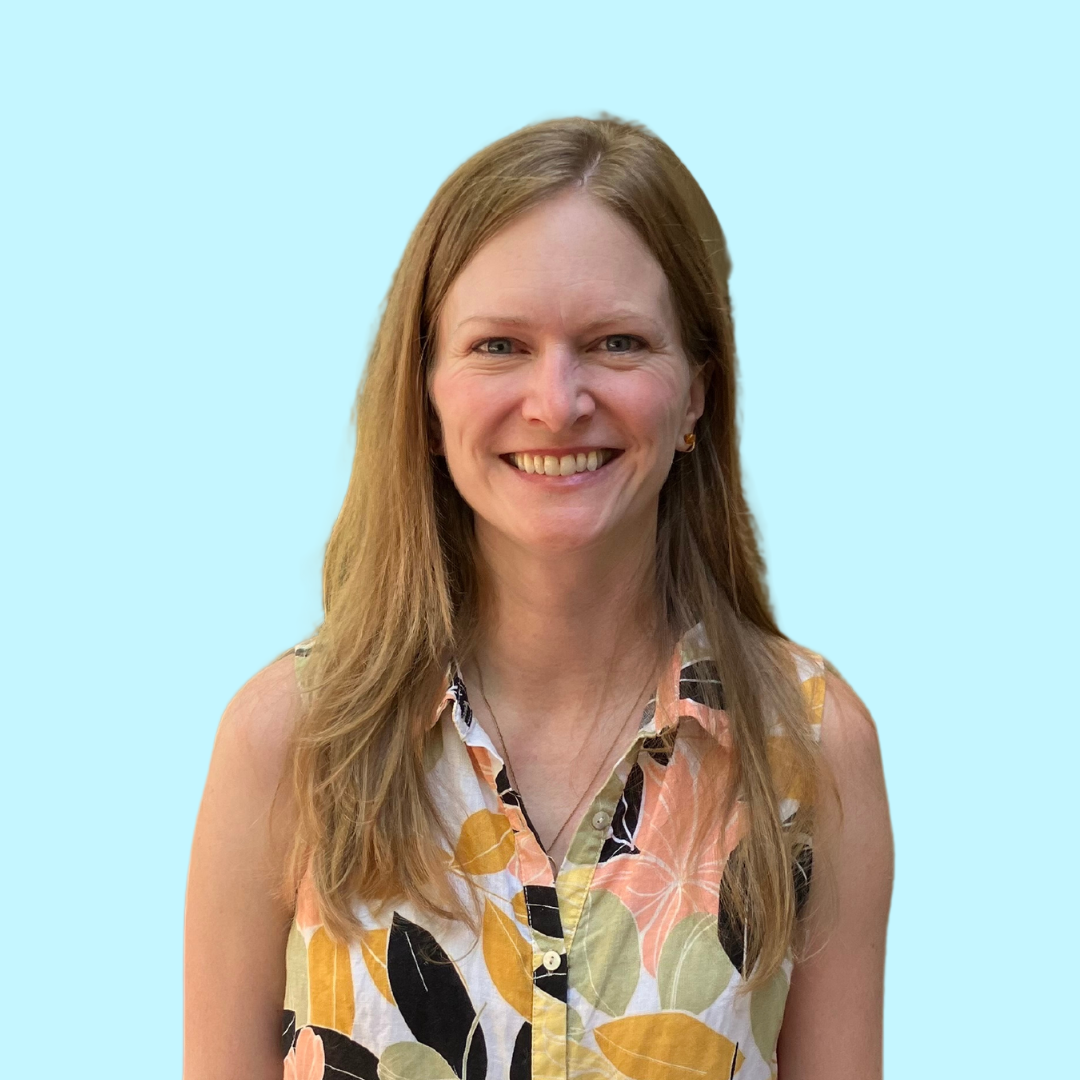
Kelsi Vanada
How long have you worshipped at Saint Philip’s?
Since the beginning of 2019.
How’d you find your way here?
When I moved to Tucson at the end of 2018, I did a Google search for Episcopal churches. Saint Philip’s was the last one I visited because it was farthest from my house.
But when I walked into church here, I felt something and thought, “This is it.”
Were you raised in a faith tradition?
My family attended evangelical churches, and my experience wasn’t one of going deeper. That’s what I love about our worship services—I feel a conscious seeking of depth in every part of our liturgy.
I’m always looking for the depth of inquiry and learning and openness to understand our faith in a deeper way, while also looking to learn from our historical tradition, as well.
When and how did you find the Episcopal church?
I took a break from church after earning my undergraduate degree. But friends and I continued to engage in inquiry. We would read books and try to figure things out together. One of the books we read was Madeleine L’Engle’s The Genesis Trilogy.
In that book, L’Engle talked about being Anglican. There weren’t any Anglican churches in Iowa City, where I went to graduate school, so I attended the very small Episcopal church.
What was that experience like?
I think the first time I attended I just cried, because it was exactly what I needed. I felt so grateful to have found it.
What kept you seeking even during your break from church?
Since becoming an adult, I’ve been trying to figure out what happened to me in my evangelical upbringing.
I grew up in a homogenous community which was entirely evangelical. It seemed so normal until I left to go to college.
Now it feels like a quest to figure out what happened and how was I influenced—all while not being able to distance myself entirely from that experience.
I feel like our faith is one way we try to understand ourselves and our place in the world. But in order to do that, I had to put on a different pair of glasses.
How do your parents feel about you being Episcopalian?
They’re glad I go to church and have found something that works for me. They’ve always been very supportive. They did find St. Philip’s “very Catholic” when they joined me for the Great Vigil one Easter!
What makes you feel like you belong to this community?
Feeling that I belong took some time. I was here for a year, but then COVID interrupted the rhythm that had started. Even after life returned to normal, it took a while for me to get to know folks and for them to know me. I had to get plugged in.
Mtr Taylor and Fr Peter invited me to participate in different ways. They noticed what my gifts are and were able to really call them out. That’s been an incredible experience given that my previous church experience was with thousands of other people and the pastor never knew me. Life at Saint Philip’s is a very different way to be in relationship.
How are you involved in the parish?
Several ways. I collaborate with Julia Annas to plan the formation portion of Wednesday Mosaic community nights. I lead occasional Sunday forums on poetry and faith.
I also write a monthly Daily Bread reflection and serve as an acolyte and verger. I really enjoy being close to the altar and participating through serving. I’m also a leader for Sunday School.
What inspired you to begin volunteering?
I think that being part of a community is giving something to it. Community is something we make together. Saint Philip’s wouldn’t exist—we wouldn’t have this special place—if it weren’t for all the wonderful people who have supported Saint Philip’s’ ministries through the years.
And volunteering also makes me feel involved and part of things.
What do you do professionally?
I’m a poet and literary translator. I translate primarily poetry from contemporary Spanish, and I’ve published six translations and one chapbook—a smaller book of my own poems. In my day job, I’m the Program Director for the local nonprofit The American Literary Translators Association. I’m responsible for the annual conference and mentorship programs.
What about poetry captures you?
Poetry is one of the ways we experience language at its most alive. When I was younger, I read a lot of short stories and thought I would pursue a writing career in fiction. But when I took poetry courses in college, I realized it was the sound of language that I was most interested in—not the stories.
What would you tell someone who doesn’t think poetry is accessible?
Start small. Spend time with one poem. And know that there are some poets you might be drawn to more than another.
Ask someone to suggest a poem or two as a starting place. Find a relatable theme or simpler language. Some of our most powerful poets are concise, like Lucille Clifton.
Do you have a favorite poet?
Alice Notley is one. She writes the kind of poems that I aspire to write. They’re open and honest—more than I can be sometimes. She’s very funny, but also writes many different kinds of poems. She’s not known for a single kind of writing. I love her range.
What’s something you’re proud of?
I knew I wanted to be a writer since I was very young. I’m proud that I’ve done that. And I’m proud that I’ve found a way to translate alongside writing my own work.
What’s something you’re passionate about?
Honoring commitments. If I say I’m going to do something, then I do it. I’m very Type A and can get frustrated when people don’t follow through on what they say they’ll do.
What’s something you find challenging?
My boyfriend grew up in the Pentecostal church, so we have interesting conversations about how our early faith lives have shaped us. We’re in different places now.
I was confirmed at Saint Philip’s the day after I met him, so he knew from the start of our relationship how important this church and my life of faith are to me. But he doesn’t attend church.
These are the good and deep and hard conversations in our relationship. I also keep sight of the fact that every person is on their own journey, and I don’t have expectations of what his journey will look like compared to mine.
What’s one of your core values?
Community. It’s important for me to be connected with others and to serve others. People have told me I’m an includer. It’s important for me to make space for those I’m with; I want others to feel welcomed and included.
Do you have a favorite prayer?
I really love the collect for purity. “To you all hearts are open, all desires known, and from whom no secrets are hid.” A God who knows us so intimately that I don’t have to explain anything.
What’s one of your guiding principles?
Do the best with what you’ve been given. That can sometimes lead to too much perfectionism, but I want to live a life that’s full and in which I exercise all the parts of me.
What do you think are some of your best parts?
My way with words or the writing I do. It’s important for me to create and make art through writing. I’m also good at including others. In graduate school I was friends with a lot of people who were outsiders or didn’t fit in. I think that’s living out my faith.
What’s something you’re grateful for?
So many things! Right now, sitting with you today, I’ll say I’m grateful for artistic expression and all the ways we share ourselves with each other through art.
A couple friends from grad school and I have a standing date on Zoom. We say hi and then turn our cameras off and write for an hour. Those gatherings help me remember why I love writing and make time for it.
What’s one of your superpowers?
I’ve been told that I’m a really good friend. I appreciate that friends have found that to be true.
What’s something you’d like to do that you haven’t yet?
I really admire our local gardeners and Saint Philip’s Creation Care Commission. I don’t have my own place yet, but when I do, I would love to have a rangy cactus garden, harvest rainwater, and practice the techniques I’m learning from desert master gardeners. Oh! And maybe plant some fruit trees.
What might people be surprised to learn about you?
What helped me learn conversational Spanish is that I lived with a single mom and her daughter in a small town in the Atacama Desert in Chile. It was my first desert experience. And look at me now, living in Tucson!
No one spoke English. I taught English alongside the teacher there, so she spoke English only in class. It was very different from the Mexican Spanish I had learned in school.
Why Spanish?
It’s the language I had access to in school, and I learned to love it in the same way I learned to love creative writing. It offers more possibilities for expression. And I was exposed to some Spanish-language literature early on and loved it. So I stuck with it.
What have I not asked that you would like people to know?
I joined the Board of The Inn of Southern Arizona in June this year. The Inn is a shelter for asylum seekers here in Tucson. I’ve been a volunteer there for about as long as I’ve been part of Saint Philip’s. It’s meaningful to help provide our guests who have crossed Arizona’s southern border with a safe place to sleep, and food and clothing as they prepare for their journey to meet their sponsors in the United States.
Can I add one more thing? I would like everyone to know that I have a beautiful 7-pound cat named Isla. She’s a calico.
What’s a fun fact about you?
I was a runner all through high school. Our team was Cross-Country State Champions multiple years. I once ran a sub six-minute mile. I come by it naturally—my mom still holds some of the records for track and field in South Dakota where she grew up.